
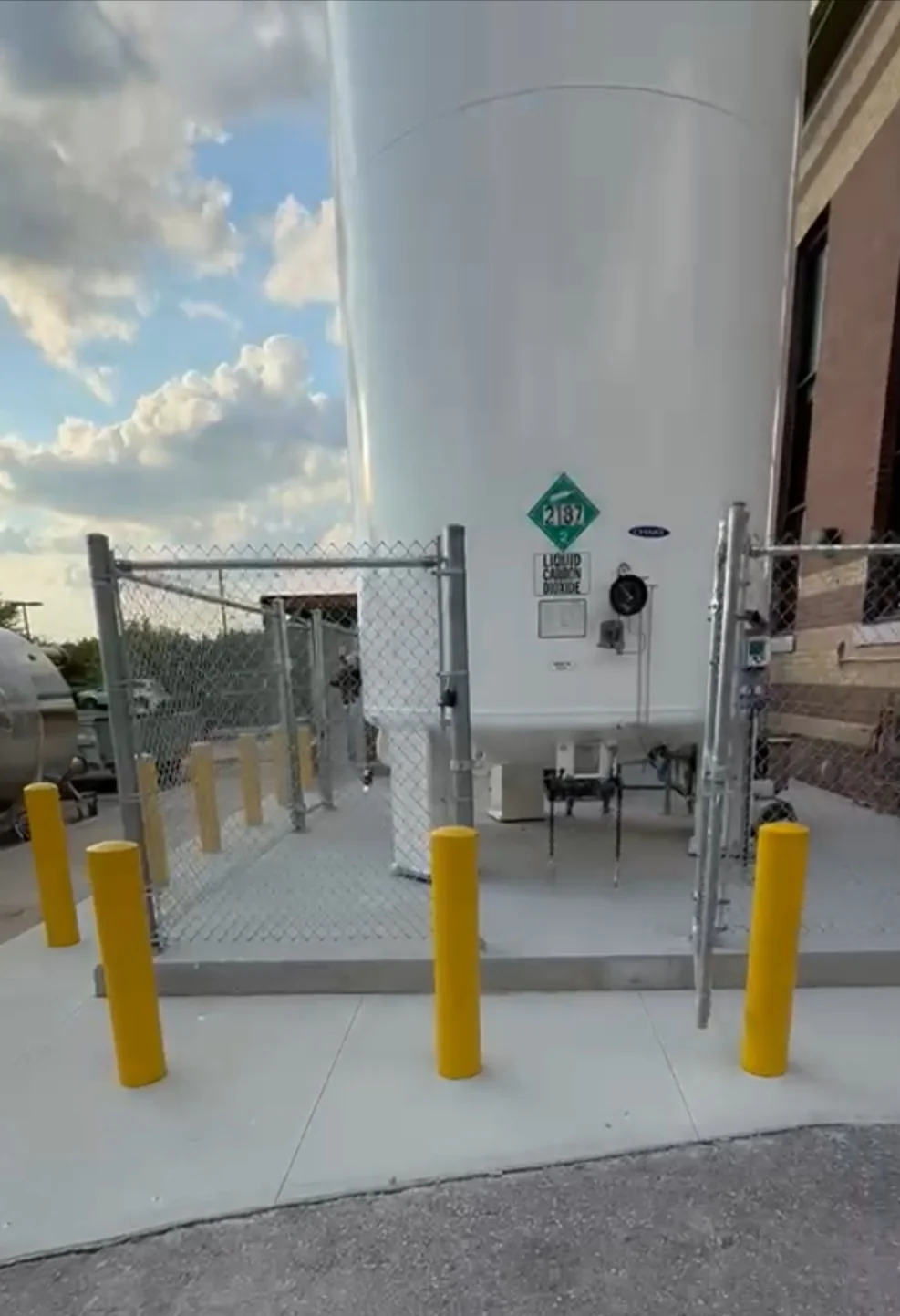
EV Charger Concrete Pads in Toronto & the GTA
Condo boards and commercial properties across Ontario are adding EV charging. The charger is the easy part — the concrete base, conduit routing, and impact protection underneath it are what determine whether the installation lasts.
EV charger installations are moving from a specialty scope to a standard line item on almost every commercial property capital plan. Condo boards are adding resident and visitor charging under Ontario's EV-ready framework, retail and office landlords are installing charging as a tenant amenity, and fleet operators are electrifying vehicles that come home to the same lot every night. In every case, the charger's manufacturer datasheet is the easy document. The concrete underneath the charger is where installations succeed or fail — and it is the part that no one draws attention to until it starts to crack, tilt, pond water, or get hit.
Concrete Repair Plus builds engineered concrete bases for EV charger installations across Toronto and the GTA. Same discipline we bring to structural equipment pads — a wall-mounted 40-amp Level 2 charger and a bulk-storage equipment pad are engineering problems with very similar failure modes: get the base wrong once, and the fix later costs more than the original install.
This page is written for the buyer actually making the decision: the property manager assembling a scope of work, the condo board treasurer costing out the reserve implications, the facilities director sizing a fleet build-out, or the general contractor coordinating the electrical, civil, and concrete trades on a fit-out.
Why EV Charger Pads Fail in the GTA
Every EV pad we're called out to rebuild fails for one of these five reasons. All five are avoidable at the design stage.
Conduit placed after the pour
Core-drilling a fresh slab to route conduit after the concrete has been placed — the single most common cause of first-year replacement. Sleeves set in the formwork before the pour prevent this entirely.
No bollard protection
Chargers installed without impact protection get struck by vehicles inside the first year. Concrete-embedded steel bollards absorb impact and protect the charger housing, the connector, and the conduit rising through the pad.
Pad poured on uncompacted fill
A pad placed on loose sub-base settles unevenly, tilts the charger, and cracks. Engineered granular base placed in compacted lifts and proof-rolled is the difference between a slab that settles in three winters and one that sits perfectly for thirty.
No slope — water ponds at the base of the unit
Flat slabs let water sit against the charger's pedestal. Standing water is where housing corrosion, connector damage, and warranty voids begin. Positive drainage slope is formed in, not troweled in after placement.
Thin, unreinforced slab cracking under freeze-thaw
A shallow, mesh-less pad in Ontario's freeze-thaw climate fails at the surface within two winters and structurally soon after. Reinforcement sized to load and an air-entrained mix designed for the exposure are what carry a pad through 30 Toronto winters.
What an EV Charger Pad Actually Requires
Six things separate an EV charger pad that lasts from one that fails in the first year. All six are decisions made on paper before the concrete truck arrives.
Engineered Slab, Sized to the Charger
Slab dimensions sized from the charger manufacturer's install datasheet and the parking bay geometry — not a default 4x4 pad. Larger for dual-port units, longer for pull-through bays, deeper for pedestal-mounted commercial hardware.
Conduit Sleeves Set Before the Pour
Electrical conduit stub-ups, sleeves and pull boxes placed and secured in the formwork before concrete is placed. Core-drilling a fresh slab to route conduit after the fact is where the single most common EV pad failure begins.
Reinforcement to Load
Mesh or rebar sized to the pad's use — a pedestal unit that lives in the ground carries different loads than a bollard-flanked commercial charger in a plow-cleared lot. Reinforcement schedule set in writing before the mix is ordered.
Drainage Slope, Formed In
Positive slope away from the unit built into the forms — not corrected with a trowel after placement. Water pooling at the base of a charger's pedestal is the beginning of housing corrosion, connector damage, and warranty voids.
Bollard Protection Sized to Impact Risk
Concrete-embedded bollards placed to protect the charger from vehicle strike. Location determines count and geometry — a resident parking stall needs different protection than a high-turnover retail visitor space or a fleet backing bay.
Freeze-Thaw-Rated Concrete Mix
Air-entrained concrete specified for Ontario's freeze-thaw exposure, at a strength appropriate to the pad's use. This is one line in the mix design; get it wrong and the pad surface scales inside two winters.
Need a written condition report for your building? We deliver them free — formatted for your reserve-fund consultant and property manager.
How We Get It Right The First Time
- 01
Site Assessment & Charger Coordination
On-site walk with the property manager and, where applicable, the electrical contractor and charger installer. We confirm charger model, bay dimensions, electrical service routing, existing slab conditions, drainage patterns, and site access. The output is a written scope — nothing gets ordered until this document is agreed.
- 02
Written Scope, Mix Design & Reinforcement Schedule
Slab dimensions, concrete mix specification, reinforcement type and layout, conduit sleeve locations, bollard count and geometry, and finish spec — all documented before mobilization. The electrical contractor gets the conduit stub-up drawing and confirms sleeve positions before the forms are set.
- 03
Demolition, Excavation & Base Preparation
Where an existing slab or asphalt has to come out, we handle demolition and disposal. Excavation to stable grade. Engineered granular base placed in compacted lifts, mechanically compacted and proof-rolled. This is where most bad pours are actually lost — years before the surface shows it.
- 04
Forming, Conduit Sleeves, Reinforcement, Pour
Forms set to elevation with positive drainage slope. Conduit sleeves and stub-ups placed and secured per the electrical spec. Reinforcement (mesh or rebar) tied to schedule with correct cover and lap. Specified-MPa air-entrained concrete placed, screeded, edged, and finished by our own crew.
- 05
Bollards, Finish, Cure & Handover
Bollards installed either as part of the pour (embedded before the concrete sets) or retrofitted once the pad has cured. Broom or specified finish applied. Cure schedule enforced — no premature loading. Final walkthrough with the property manager, photo record delivered digitally, warranty document issued. Reference the full 7-step engineering standard on our concrete installation page.
Materials & Methods
- Air-entrained concrete, MPa specified to load and freeze-thaw exposure
- Granular A base gravel, mechanically compacted in lifts
- Welded wire mesh or rebar reinforcement sized to load per written schedule
- PVC or steel electrical conduit sleeves and stub-ups (electrical contractor's spec)
- Concrete-embedded steel bollards, sized to impact risk
- Isolation and expansion joint materials at abutting slabs and structures
- Positive drainage slope formed in, not troweled in after the fact
How Long It Lasts
Expected Service Life
Designed for the Life of the Charger
A properly engineered EV charger pad outlives the charger it supports. The failure modes that shorten pad life — surface scaling, edge spalling, sub-base settlement, ponding at the pedestal, cracked conduit runs — are all avoidable at the design stage. When the pad fails, the property owner pays twice: the concrete rebuild plus the electrical rework to relocate or protect the disturbed service. When the pad is engineered correctly the first time, the next capital cost is a charger upgrade a decade from now.
- Slab dimensions and reinforcement written before mobilization
- Conduit sleeve positions confirmed with the electrical contractor before pour
- Bollard placement engineered to actual site impact risk
- Written workmanship warranty issued at final walkthrough
Why Property Owners Choose Concrete Repair Plus
Off-Hours Crews
Night and weekend scheduling for parking garages, condo buildings, retail, and warehouses. Your tenants and operations are not disrupted.
Fully Insured & WSIB-Covered
$5M liability, WSIB clearance, and a written safety program. Clearance certificates and COIs delivered before mobilization.
Property Manager Reporting
Photo documentation of every step, scope sign-off, and itemized invoicing. We make audits, AGMs, and reserve-fund reporting painless.
GTA-Wide Coverage
One crew covering Toronto, Scarborough, North York, Etobicoke, Mississauga, Brampton, Markham, and Vaughan — full mobilization in 5–7 days for new buildings.
Engineering Coordination
We work directly with structural engineers and building consultants when restoration scopes require sealed drawings or third-party reports.
Long-Term Warranty
Written warranty on every commercial scope. Most parking garage and warehouse repairs carry 5–10 year coverage depending on system.
Common Questions
Related Services
GTA Service Area
Book a Free EV Pad Assessment
On-site inspection, engineered scope, and written pricing across Toronto and the GTA. We coordinate directly with your electrical contractor before we form.